beginner_guide · 2026-07-25
Palworld Metal Helm Beginner Guide
Learn what the Palworld Metal Helm does, when to craft it, what to prioritize first, and the biggest beginner mistakes to avoid.
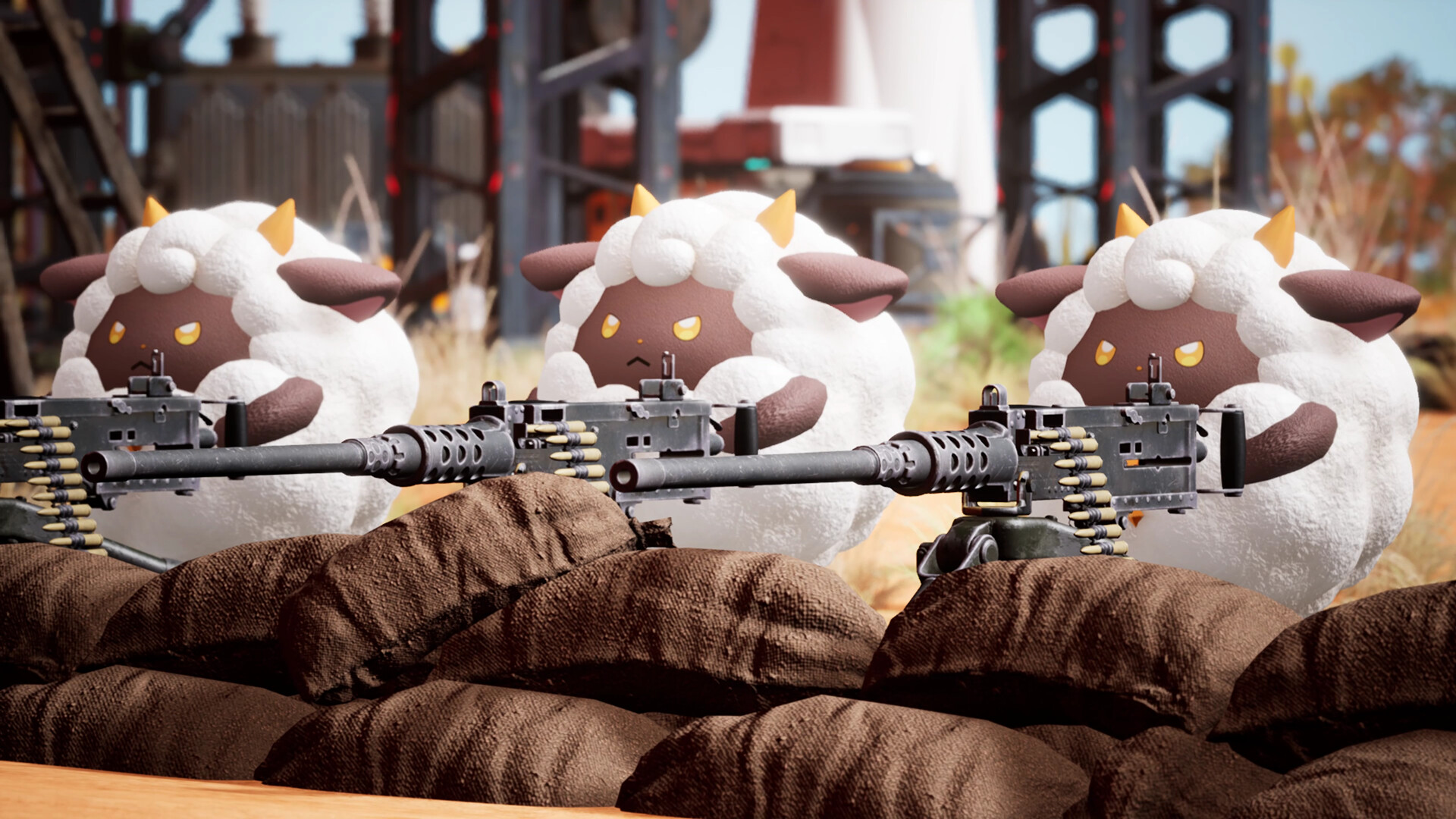
Palworld Metal Helm Beginner Guide
Quick Answer: The Palworld Metal Helm is an early-to-midgame armor upgrade that boosts your survivability, letting you explore, fight, and gather more safely while you build up the resources, tech, and Pals needed for stronger gear.
What the Palworld Metal Helm Actually Does
The Palworld Metal Helm is your first big “stop getting deleted by every bad decision” armor milestone, because it gives you a sturdier defensive baseline than the flimsy starter headgear and helps you survive longer while exploring, mining, and bossing. In practical terms, that means fewer panic deaths to stray arrows, more room to learn enemy patterns, and less pressure on your healing items when you’re pushing into new biomes.
For beginners, the helmet matters most when paired with other early survival upgrades. A Metal Helm by itself does not magically make you invincible, but it becomes excellent value when you combine it with:
- A reliable food supply, so your HP stays topped up between fights.
- A sensible weapon upgrade, like a better bow, crossbow, or early firearm depending on your progression.
- A base that can keep feeding you materials instead of forcing you to re-farm everything manually.
Because Palworld is a survival-crafting game where you’re always balancing exploration, combat, and base growth, the Palworld Metal Helm is best understood as a “progression stabilizer.” It’s not flashy, but it keeps your run from spiraling every time you get clipped by a roaming Pal, fall into a fight you didn’t mean to start, or overstay in an area with enemies above your comfort level.
It also teaches an important Palworld habit: do not build for vanity first. New players often chase one obvious upgrade, then neglect the rest of the survival stack. The Metal Helm is strongest when it’s part of a complete early kit, such as:
- Metal Helm
- Decent chest armor
- Basic healing items
- A mounted Pal for safer travel
- A mining and crafting setup back at base
That’s the right mindset for Palworld. You’re not just making a helmet; you’re building a buffer against mistakes.
First-Hour Checklist for New Players
Your first hour in Palworld should focus on unlocking movement, resource collection, basic base functionality, and the materials that make the Palworld Metal Helm realistic soon after. If you spend your opening hour wandering without a plan, you’ll still be “starting out” when you could already be stabilizing your world.
1. Claim a base location quickly
Set up your first base somewhere with easy access to wood, stone, and open space. You want a location that is:
- Close to early trees and rocks
- Safe from constant enemy pressure
- Large enough for future structures
- Not awkward to traverse with Pal pathing
A good beginner base is not about scenery; it’s about convenience. If your base is on a cliff, cramped ridge, or cluttered hillside, your Pals may waste time pathing badly and your crafting flow will slow down immediately.
2. Build the essentials before anything fancy
Your first build order should prioritize function over aesthetics. Focus on:
- A primitive workbench or equivalent early crafting station
- Storage to stop your inventory from choking
- A bed or respawn-related structure
- Structures that support food and basic survival
These first builds are the foundation for every next step, including the resources needed for the Palworld Metal Helm. If you can’t process materials smoothly, armor upgrades become a grind instead of a goal.
3. Catch a balanced starter team
Do not try to “main” one starter Pal and ignore the rest. Instead, catch a mix that can help you with early roles:
- One Pal that helps with logging or building
- One Pal that helps with mining or resource extraction
- One combat-capable Pal for emergencies
Good early examples include familiar common Pals that are easy to replace and easy to assign around base tasks. The exact best picks can vary with the current meta, but the principle stays the same: you need workers and fighters, not five copies of the same problem.
4. Gather the materials that unlock your survival lane
Your opening farming loop should be wood, stone, and whatever ore-adjacent materials you can reach safely. Do not overinvest in decorative structures, unnecessary tools, or extra gear you do not yet need. If your next objective is the Palworld Metal Helm, then every detour that doesn’t support armor progression is probably slowing you down.
5. Unlock movement and safety before aggressive combat
The first time you feel “comfortable” in Palworld is usually when you have one of the following:
- A mount for faster travel
- A stronger ranged option
- A base that can passively generate key materials
- A healing and food routine you can maintain automatically
Once you have even one of those, the world opens up a lot. You can reach ore nodes, visit new regions, and start building toward metal gear with much less risk.
6. Push your tech toward metal early
The Palworld Metal Helm should not be a distant dream. In your first session, you want to begin moving toward the technologies and processing steps that make it possible. That means unlocking the relevant craft path, setting up production support, and collecting the metal resources you’ll need.
If you do all that in your first hour, you’ve already avoided one of the biggest beginner traps: spending your opening on “surviving the tutorial zone” instead of pushing into actual progression.
You might also like
- Palworld Beginner Guide: First Steps, Resources, and Common Mistakes
- Palworld Legendary Blueprints in the Version 0 2 0 6 update: Beginner Guide
- Palworld Beginner Guide: First Steps, Priorities, and Common Mistakes
- Palworld Fastest Flying Mounts: Best Flying Pals to Unlock in Order
- Palworld UE-Pal Exception Access Violation Bug Fix: Beginner Guide
Resource Priority Order
Your resource priority should favor survival, production, and the Palworld Metal Helm’s material pipeline before cosmetics, redundant tools, or luxury structures. In Palworld, a good priority order keeps your early game from turning into inventory clutter and half-finished stations.
| Priority | What to Focus On | Why It Matters First | Typical Examples |
|---|---|---|---|
| 1 | Basic food and healing | Prevents downtime and accidental deaths | Early berries, cooked food, healing items |
| 2 | Wood and stone | Builds your first stations and base support | Foundations, chests, utility structures |
| 3 | Tools and weapons | Speeds up gathering and protects you while moving | Starter pickaxe, axe, bow |
| 4 | Ore and metal processing | Unlocks your armor and core progression | Furnace-style production, ingots, ore nodes |
| 5 | Armor upgrades | Raises survivability for exploration and combat | Palworld Metal Helm, chest armor, better gloves |
| 6 | Specialized production | Supports stable long-term base output | Work assignment, crafting lines, automation-style flow |
The big mistake most beginners make is treating all resources as equally urgent. They are not. Wood is urgent at minute one, but if you are already stable and still chopping trees when you should be mining ore, your progress is lagging. Likewise, ore is important, but if you cannot feed yourself or heal between fights, then your metal gear will not save you from sloppy routing.
A good early rule is this: hoard materials that unlock future stability, spend materials that get you back to stability faster, and avoid wasting anything on structures you are not using immediately. That means saving key ore and processed materials for armor and essential stations while spending cheap resources freely on the base basics.
What to craft first
For most beginners, the first meaningful craft loop should look like this:
- A reliable gathering tool
- A basic weapon for ranged safety
- A storage solution
- A production station that turns raw material into usable parts
- The armor upgrade path that leads toward the Palworld Metal Helm
If you can craft only one “nice” thing early, craft the thing that unlocks your next three steps. That is the real value of the helmet: it represents a tier jump, not just a single item.
What to hoard
You should hoard anything that feels annoying to re-farm or is clearly part of progression gates. Examples include:
- Ore and refined metal materials
- Special drops from dangerous zones
- Crafting components tied to upgrades
- Rare consumables you don’t need for ordinary trash fights
In contrast, do not hoard every low-value raw resource forever. If your chests are full of junk, your crafting speed drops and your base gets harder to manage.
What to spend freely
Spend cheap, replaceable materials on:
- Temporary workstations
- Storage expansion
- Basic food production
- Early defenses where needed
- The tools required to reach the next tier
That philosophy keeps the Palworld Metal Helm on schedule instead of becoming one more “someday” item.
Common Newbie Mistakes and How to Fix Them
New players usually do not fail because Palworld is too hard; they fail because they misread what the game wants from them during the opening stretch. The good news is that the fixes are straightforward once you spot the pattern.
-
Mistake: Building a pretty base before building a useful base.
Why it happens: New players want a home that looks organized, but early survival is mostly about efficiency.
Fix: Put function first: storage, crafting stations, and walkable space. Add decoration later after you already have the Palworld Metal Helm and stable production. -
Mistake: Ignoring ore until they “need” it.
Why it happens: Ore feels like a midgame problem because wood and stone are available everywhere.
Fix: Start marking or memorizing ore locations early. The moment you can safely mine and refine metal, begin stockpiling for armor and tools. -
Mistake: Fighting above your level because the area looks manageable.
Why it happens: The map invites curiosity, and some early enemies look weaker than they are.
Fix: Retreat when your healing starts getting consumed too fast. Return once you have better gear, a stronger mount, or better ranged damage. -
Mistake: Over-crafting low-tier items that you will replace immediately.
Why it happens: Crafting feels productive, so beginners keep making “good enough” gear.
Fix: Craft only what pushes you toward the next meaningful milestone. If the Palworld Metal Helm is within reach, stop wasting rare materials on dead-end upgrades. -
Mistake: Running a base with the wrong Pals assigned to the wrong jobs.
Why it happens: New players often keep the cutest or strongest Pals at base, even if they do poor work.
Fix: Match Pal tasks to their actual strengths. Keep the combat Pal for travel, and assign efficient base workers to crafting, mining, or gathering. -
Mistake: Carrying too much and losing momentum every trip.
Why it happens: Beginners hate leaving resources behind.
Fix: Make short, intentional trips. Deposit materials often and return to gathering with a clear goal, especially when you are collecting metal for armor. -
Mistake: Treating the Palworld Metal Helm as a last priority.
Why it happens: Armor doesn’t feel exciting compared to a new weapon or a flashy new Pal.
Fix: Get the helmet earlier than your instincts suggest. Survivability multiplies the value of everything else you do afterward.
Pro Tips
The best beginner improvements in Palworld come from small habits that save time every session, especially once you are building toward the Palworld Metal Helm and the next armor tier.
Tip 1. Use a “return trip” inventory rule
When your inventory hits the point where you are deciding what to drop, go home immediately and unload. The trigger is not “I am full,” but “I am slowing down.” That keeps gathering runs efficient and prevents you from carrying ore, drops, and random loot too long.
Tip 2. Keep one combat Pal and one labor Pal active in your mind at all times
A good early setup is one Pal that helps you survive the open world and one Pal that makes base work faster. Examples of the pattern include a fighting Pal for roaming and a mining or building Pal for base output. This split matters because a strong worker Pal does not help when you get ambushed, and a strong battle Pal does not build your helmet faster.
Tip 3. Make your first “metal day” a dedicated session
The moment you can efficiently gather metal, stop mixing that goal with unrelated errands. Spend the session on ore, refining, storage, and armor progress. A focused metal run often gets you closer to the Palworld Metal Helm than three distracted hours of random exploration.
Tip 4. Carry ranged options even if you prefer melee
Ranged tools let you soften enemies, pull dangerous targets one at a time, and preserve your healing. That is especially useful around bosses, tight caves, or enemies that punish close-range aggression. Even if you enjoy melee, the game rewards having a fallback.
Tip 5. Learn when to leave a fight instead of “earning” your death
If a battle starts consuming all your healing, you are no longer learning the fight; you are funding a failure. Back off, reset, and return after upgrading. This habit is one of the fastest ways to reach the Palworld Metal Helm without constant corpse runs.
Tip 6. Turn spare base time into passive progression
While your Pals work, do not stand idle. Use that time to organize chests, cook food, plan your next ore route, or check what materials you are missing for the helmet and the rest of your armor set. The game rewards players who keep their base time productive.
Graduation Threshold: When You Are No Longer a Beginner
You are out of the beginner phase when your base, gear, and map knowledge let you recover from mistakes without collapsing your whole run. That usually happens once you can reliably support the Palworld Metal Helm, maintain a stable food and crafting loop, and push into new areas without constantly rebuilding from scratch.
A simple way to judge your graduation point is to ask whether you can do the following without panic:
- Leave base with a plan and return with useful materials.
- Win routine fights without spending all your healing.
- Replace lost gear without having to “start over.”
- Mine and process metal at a steady pace.
- Keep your base productive even when you are away exploring.
When those five things are true, you are no longer in the fragile early phase. You have moved into the part of Palworld where your choices start compounding: better Pals make your base better, better armor lets you explore farther, and better routing lets you find even more efficient production loops.
The Palworld Metal Helm is a strong signal here because it sits right on that border between “I am surviving” and “I am progressing.” If getting it required deliberate planning—rather than lucky drops or random crafting—it probably means you are exactly where you should be in the learning curve. Once it’s equipped and supported by the rest of your kit, the game opens up into wider exploration, better boss attempts, and more specialized base roles.
Another practical sign: you stop asking “Can I survive this area?” and start asking “Is this area worth my time?” That is the real beginner-to-intermediate transition in Palworld.
Common Mistakes
The following mistakes come up so often that every newcomer should expect at least a few of them. The key is recognizing them early and correcting course before they slow down your progress toward the Palworld Metal Helm and later upgrades.
1. Chasing too many goals at once
Beginners often try to explore, build, catch Pals, and fight bosses all in the same stretch. That spreads materials and attention too thin. The fix is to pick one goal per trip: a crafting goal, a capture goal, or a combat goal.
2. Ignoring base logistics
A cluttered base makes every future upgrade slower. If your chests are far away, your workstations are blocked, or your Pals can’t path properly, you are fighting your own layout. Fix it by opening space, centralizing storage, and separating production zones.
3. Delaying armor upgrades
Some players chase damage and forget defense. That works until one bad hit breaks the run. The fix is to upgrade armor on schedule, with the Palworld Metal Helm as one of the first meaningful survivability investments.
4. Spending rare materials on convenience items
It feels nice to make whatever is unlocked, but rare mats should go where they matter most. The fix is to reserve hard-to-replace resources for gear and progression-critical stations.
5. Letting Pals work inefficiently
A base full of poorly matched Pals looks active but performs badly. The fix is to assign workers to the jobs they do best, and rotate combat-ready Pals into your active party instead of leaving them idle at home.
6. Traveling without a clear exit plan
New players often head out thinking only about the destination. The fix is to plan your return route, inventory space, and healing supply before you leave. That keeps exploration productive and makes metal runs much safer.
FAQ
What is the Palworld Metal Helm good for?
The Palworld Metal Helm is good for improving early survivability so you can explore, fight, and gather with less risk. It is especially useful when you are pushing into ore routes, testing tougher enemies, or building toward stronger armor sets.
Should I craft the Palworld Metal Helm before a better weapon?
Usually, yes, if your current problem is dying too quickly. A better weapon helps you end fights faster, but a sturdier helmet keeps mistakes from ending your run. If you are already surviving comfortably, then prioritize the upgrade path that helps your current bottleneck most.
Is the Palworld Metal Helm worth it if I mostly stay near base?
Yes, because even base-adjacent play includes surprise fights, accidental damage, and resource trips that go wrong. The helmet becomes especially valuable when you make repeated mining runs or defend your base from hostile encounters.
How do I know I am ready for metal gear?
You are ready when you can consistently gather, refine, and store the needed materials without your base falling apart. If your food supply is stable and your crafting flow is smooth, you are already close to the Palworld Metal Helm stage.
Do I need a specific Pal team for this helmet?
You do not need a perfect team, but you do need a useful one. A good setup includes at least one combat Pal and one Pal that helps with base work or gathering. That makes it much easier to move from survival gear to proper metal equipment.
Related Guides
- Best Early-Game Pals
- Palworld Base Building Guide
- Palworld Ore Farming Routes
- Palworld Armor Tier Progression
- Palworld Beginner Combat Tips
- Palworld Breeding Combos
- Palworld Boss Walkthrough
Sources
- https://store.steampowered.com/app/1623730/
- https://howlongtobeat.com/?q=palworld
- https://api.steambase.io/games/1623730
- https://www.protondb.com/app/1623730
- https://store.steampowered.com/app/1623730/
See also
- Palworld Beginner Guide
- Palworld All Player Attack Boosting Partner Skills Beginner Guide
- Palworld Not Found Session 91 Bug Fix: Beginner Guide for New Players
- Palworld What Carries Over to Version 1 0 Beginner Guide
- Palworld Beginner Guide
- Palworld List of Pals that Improve Carry Capacity: Beginner Guide
- Palworld Version 1 0 Release Time and Countdown Beginner Guide
- Palworld Beginner Guide: First-Hour Tips, Priorities, and Common Mistakes
- Palworld All Player Defense Boosting Partner Skills: Beginner Guide
- Palworld Choices Missables and One-Time Events: Beginner Guide