beginner_guide · 2026-07-23
Palworld How to Find Terraria Dungeon
Learn how to find the Terraria Dungeon in Palworld, what to prepare first, common mistakes, and when you are ready to clear it.
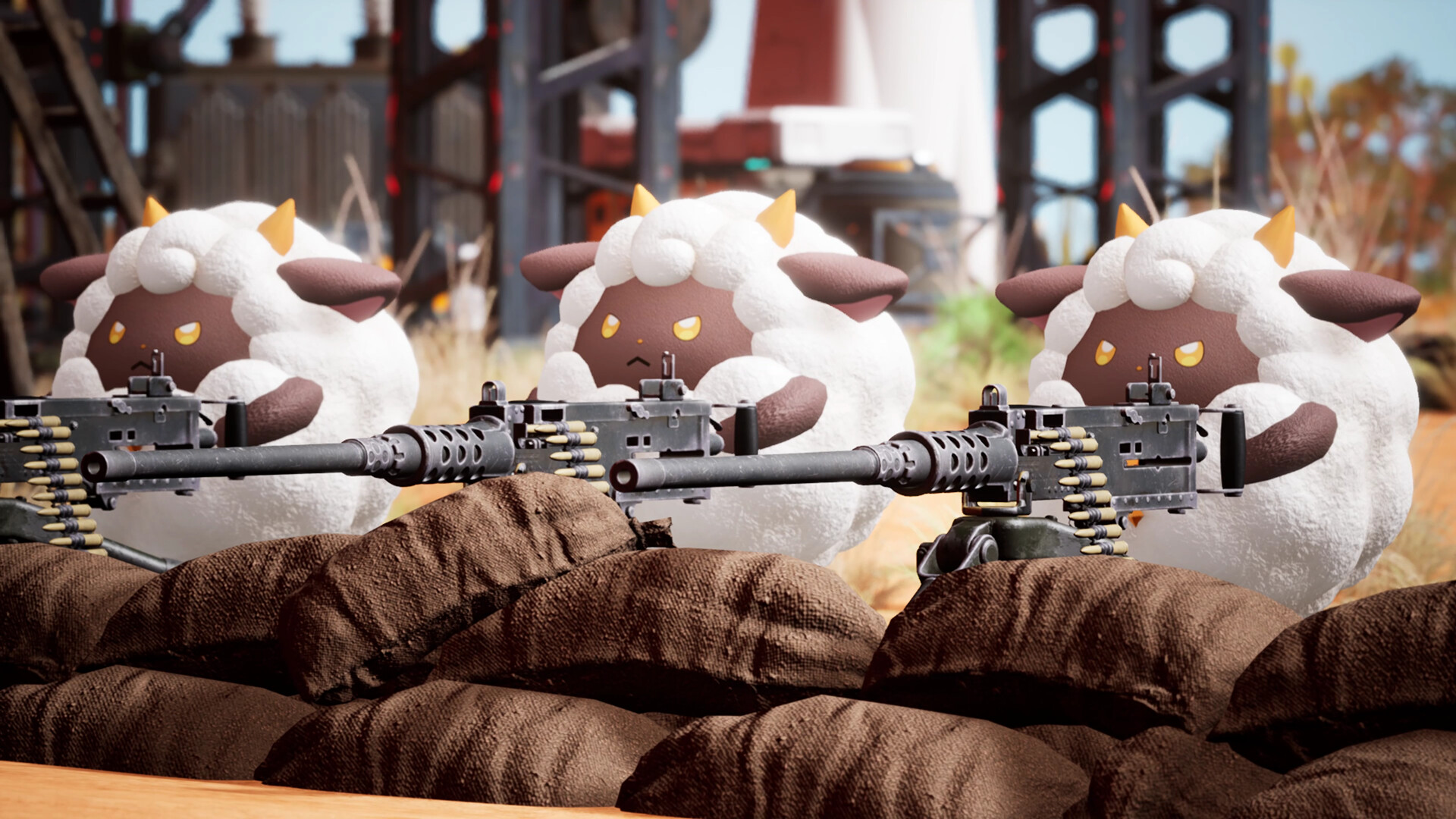
Palworld How to Find Terraria Dungeon
Quick Answer: Find the Terraria Dungeon in Palworld by progressing until you can explore deeper caves, then look for the crossover dungeon entrance in the relevant region, bring combat-ready Pals and healing items, and clear it like a normal dungeon with extra attention to traps and boss pressure.
What The Terraria Dungeon Is
The Terraria Dungeon in Palworld is a crossover dungeon encounter that you should treat as a progression check, not a sightseeing stop. In practice, that means entering it with a real combat plan, not just whatever you picked up in the first hour.
Palworld itself is a multiplayer open-world survival and crafting game where you fight, farm, build, and work alongside Pals Source. That structure matters here because dungeon access is tied to ordinary survival progression: you need movement, combat readiness, a supply loop, and enough base stability to avoid wasting time on repeated corpse runs.
For a beginner, the key mistake is assuming “find the dungeon” means “wander randomly until it appears.” It usually works better to think in layers. First, you unlock the mobility and gear that let you travel safely. Second, you learn where dungeon entrances tend to show up in the world. Third, you prepare for the dungeon’s actual difficulty spike, which is usually more important than the entrance itself.
A useful way to frame the Terraria Dungeon is as a late-beginner or early-intermediate objective. If your Pals are still doing all the work while you carry a weak weapon and no healing buffer, you are not ready to push it consistently. If you can travel, survive ambushes, and keep your base running while you are away, you are close.
How To Find The Terraria Dungeon
You find the Terraria Dungeon by searching the map methodically after you have the movement and combat tools needed to travel efficiently, then checking cave and dungeon-style entrances in the areas where crossover content is currently active. The practical part is less about luck and more about route discipline.
Start with these steps:
- Unlock basic traversal first: glider-style movement, a mount, or any equivalent mobility option you already have.
- Mark likely cave or dungeon points on the map as you explore.
- Sweep regions in a loop instead of detouring after every stray resource node.
- Carry enough food and healing so you can keep searching after a fight.
- If you are in a multiplayer session, split roles so one player scouts and another keeps the base running.
The world design in Palworld rewards this kind of route play because it is an action-adventure survival game rather than a single fixed-path RPG. Your time is better spent building a search circuit than hunting one exact screen position from memory. That is especially true if you are still early in progression and do not want to burn stamina on inefficient backtracking.
In the current game state, the best field habit is to investigate anything that looks like a dungeon mouth, cave opening, or special encounter doorway rather than assuming the first one you see is the target. Many players get stuck because they are chasing the keyword and not the practical trigger. They think in terms of “where is the Terraria Dungeon?” when they should be thinking “am I ready to verify and clear the crossover entrance when I find it?”
A disciplined search loop is usually the fastest method:
- Spawn or travel to a region you can already survive.
- Sweep along terrain edges and landmark clusters.
- Stop for every cave-like or instanced entrance.
- Confirm whether the interior matches the Terraria crossover content.
- Either clear it now or tag it and come back with better gear.
If you are asking specifically about Palworld How to Find Terraria Dungeon, the answer is not a single coordinate. It is a progression-backed search process that becomes much easier once you can move quickly, fight reliably, and keep your stamina and supplies stable.
You might also like
- Palworld Beginner Guide: First Steps, Resources, and Common Mistakes
- Palworld Legendary Blueprints in the Version 0 2 0 6 update: Beginner Guide
- Palworld Beginner Guide: First Steps, Priorities, and Common Mistakes
- Palworld UE-Pal Exception Access Violation Bug Fix: Beginner Guide
- Palworld Fastest Flying Mounts: Best Flying Pals to Unlock in Order
First-Hour Checklist
Your first hour should build mobility, survivability, and information, because those three things determine whether dungeon hunting is efficient or wasteful. If you spend the opening hour on vanity building or overfarming one resource, you slow every later step.
First-hour priorities
- Catch a few early Pals that can help with transport, combat, and base work.
- Gather enough wood, stone, and basic materials to establish your first reliable loop.
- Build storage early so your inventory does not constantly clog.
- Craft the first weapon and tools that let you fight and gather without stalling.
- Set up a minimal base near usable resources, not in a scenic dead zone.
- Unlock or prepare the first mobility option you can reasonably maintain.
- Keep a reserve of food instead of running empty after every fight.
The strongest beginner pattern is simple: get one combat Pal, one utility Pal, and one passive worker Pal as soon as practical. That gives you a clean split between fighting, traveling, and base upkeep. A player who only catches combat Pals usually overextends. A player who only catches workers gets stuck with no map pressure. The balance matters more than any single early pickup.
You should also avoid the common trap of overbuilding. Early Palworld punishes decorative base habits because every unnecessary wall, roof, or workbench competes with immediate survival spending. A compact, functional base gets you to the dungeon phase faster than a pretty one. In the first hour, functional means: storage, crafting, food, and enough protection to prevent easy raids or random interruptions.
The other key early-hour decision is where to spend your attention. The moment you have enough materials to make your first weapon, your next goal should be “staying alive while traveling” rather than “making the base perfect.” The Terraria Dungeon is a search-and-clear objective, so your first hour should make you a better traveler and fighter, not just a better builder.
If you want a clean beginner route, the hour should end with three things in hand: a functional base, a small but useful Pal roster, and enough map familiarity to start hunting dungeon entrances without guessing blindly.
Resource Priority Order
You should spend on survival tools first, hoard rare progression materials, and delay luxury crafting until you can clear caves and dungeon content safely. That order keeps you from bleeding resources into items that do not help you reach the crossover dungeon.
| Priority | Spend On | Hoard | Why It Matters For Dungeon Hunting |
|---|---|---|---|
| 1 | Basic weapon, tools, food, storage | Rare drops, upgrade mats | Lets you survive travel and early fights |
| 2 | Mount or mobility-related progression | Anything tied to future crafting tiers | Cuts search time and reduces ambush risk |
| 3 | Base essentials | High-value crafting materials | Keeps your supply loop stable while you roam |
| 4 | Pal support items | Upgrade components | Makes dungeon attempts more consistent |
| 5 | Cosmetic or convenience builds | Late-game boss materials | These do not help you find or clear the dungeon sooner |
The correct mindset is to treat rare materials as future power, not emergency money. If a resource is used for a stronger weapon, better mobility, or a critical base upgrade, you should usually keep it until you know what tier it unlocks. If it only improves comfort, spend it later.
For example, if you are choosing between expanding storage and making a flashy extra room, storage wins. If you are choosing between a second utility station and a minor decorative piece, the station wins. If you are choosing between an early weapon upgrade and an optional base aesthetic project, the weapon wins.
This is also where many beginners quietly sabotage their dungeon route. They see a new craftable item and make it immediately, even though it consumes materials that would have let them survive the next exploration cycle. The result is a nicer inventory screen and a weaker field kit. That is backwards for Palworld progression.
A practical spending order looks like this:
- Make your travel and combat loop stable.
- Buy yourself time with food and storage.
- Upgrade tools only when they shorten farming or improve safety.
- Invest in Pal support when your base starts to run without constant babysitting.
- Save anything rare that could unlock later combat or traversal advantages.
This order works because dungeon hunting is a logistics problem first and a combat test second. If your logistics are poor, you never reach the fight on good terms.
Common Mistakes
New players usually miss the Terraria Dungeon because they make search, combat, or resource decisions that create avoidable friction. The fixes are simple once you identify the pattern.
-
Mistake: Roaming without a route.
Why it happens: players assume exploration will “naturally” reveal the entrance.
Fix: plan a loop with marked landmarks, sweep edges and cave-like openings, then return on a controlled path. -
Mistake: Going in with no healing buffer.
Why it happens: early fights feel manageable, so players underestimate dungeon attrition.
Fix: leave base with more food and recovery items than you think you need, then restock before every serious search run. -
Mistake: Ignoring mobility upgrades.
Why it happens: mobility feels optional until the map starts wasting your time.
Fix: prioritize any mount, glide, or movement upgrade that reduces travel time and lets you disengage from bad fights. -
Mistake: Spending rare materials too early.
Why it happens: the crafting menu makes every unlock look immediate.
Fix: keep high-value resources until you know the item improves combat, traversal, or dungeon survivability. -
Mistake: Treating base setup as a side hobby.
Why it happens: building is satisfying, so players overinvest before their kit is ready.
Fix: keep the base compact, functional, and close to useful resources so you can spend more time searching and less time managing chores. -
Mistake: Bringing the wrong Pal mix.
Why it happens: players overvalue favorites and undervalue role coverage.
Fix: run a balanced squad with at least one combat anchor, one utility option, and one Pal that supports gathering or base work. -
Mistake: Pushing the dungeon on your first sighting.
Why it happens: players think discovery and clearance are the same milestone.
Fix: tag the entrance, level up your gear, and come back when your damage, sustain, and movement are all in place.
These mistakes show up because beginners often optimize for activity, not progression. They are always doing something, but not always doing the thing that reduces future friction. The Terraria Dungeon is especially punishing for that habit because it rewards preparation more than impulse.
Common Mistakes
A separate pass is worth making here because the dungeon hunt exposes very specific beginner errors that do not always look like mistakes at first.
-
Mistake: Overfarming one material while ignoring everything else.
Why it happens: one shortage feels urgent, so players tunnel on it.
Fix: farm in short sessions and always leave room in your route for food, storage, and combat supplies. -
Mistake: Leaving the base undefended while searching.
Why it happens: players think base defense only matters at higher levels.
Fix: build enough structure and staffing so the base keeps functioning while you are away. -
Mistake: Playing solo like a co-op session.
Why it happens: players assume they can split attention between scouting, fighting, and base upkeep at once.
Fix: in solo, cut your scope and focus on one goal per run; in co-op, assign roles before leaving. -
Mistake: Underestimating status pressure and resource drain.
Why it happens: the first few fights are forgiving, so the warning signs are easy to ignore.
Fix: turn back earlier, not later, when supplies or health drop below comfortable levels.
The key pattern across all of these is the same: beginners stretch their runs too thin. The better play is tighter execution, clearer objectives, and fewer “maybe I should also do this” detours.
Pro Tips
These tips go beyond the obvious beginner advice and help you search more efficiently, survive longer, and make your first real dungeon attempts more consistent.
Tip 1. Search with a reset point
Set your base or nearest safe point as a reset anchor before you start dungeon hunting. If a route ends badly, you want a fast return path instead of a long corpse run that burns the whole session.
Tip 2. Use the map like a checklist
Treat explored regions as completed work, not as scenery. Mark the edges of the areas you have already swept so you do not double back into dead space while ignoring fresh ground.
Tip 3. Keep one spare combat option
Carry or maintain one extra combat-ready Pal or weapon setup so a bad loss does not end your run. In Palworld, a backup matters because travel, combat, and recovery all share the same resource pool.
Tip 4. Return at a stronger time, not a worse one
If the dungeon entrance appears while you are undergeared, do not force the issue. Leave, improve your kit, and return on a later run with better sustain and a cleaner clear chance.
Tip 5. Exploit short field loops
Short loops around terrain clusters, cave chains, and landmark groups are usually more efficient than long straight-line treks. The game’s survival structure rewards repeated, purposeful passes.
Tip 6. Separate search from build mode
Do not try to optimize your base and hunt the dungeon in the same trip. You will split your inventory, lose time, and return with neither a stronger base nor a cleaner search result.
Graduation Threshold
You are out of the beginner phase when you can explore, fight, and recover without your entire run collapsing from one mistake. That is the real threshold, not a specific level or a single item.
A good practical test is whether you can do all of the following in one session:
- Leave your base with a focused loadout.
- Travel far enough to search multiple entrance points.
- Win or disengage from standard fights without panic.
- Return with useful loot instead of empty inventory space.
- Keep your base functional while you are away.
When that starts feeling normal, you are no longer playing as a fresh starter. You have moved into the phase where dungeon routing, Pal composition, and resource efficiency matter more than basic survival.
Another useful marker is emotional rather than mechanical: if every unknown area used to feel expensive and now feels like a controlled risk, you have crossed the beginner line. At that point, the Terraria Dungeon becomes an expected challenge instead of a mysterious wall.
For Palworld specifically, the shift happens once you stop asking “Can I survive this?” and start asking “Is this the best route for what I want next?” That is the point where build choices, Pal roles, and resource priorities begin to interact like a real progression plan.
The move out of beginner status also lines up with more stable ownership of your systems. You know which Pals you keep, which items you hoard, and which upgrades are worth delaying. You also stop wasting time on every shiny object in the distance. That discipline is what makes the Terraria Dungeon search efficient rather than random.
Related Guides
These are the most relevant follow-up topics once you can find and clear the Terraria Dungeon consistently.
- Palworld Best Early-Game Pals
- Palworld Breeding Guide
- Palworld Early Base Build Order
- Palworld Best Weapons for Beginners
- Palworld Dungeon Farming Guide
- Palworld Mounts and Mobility Guide
- Palworld Boss Walkthroughs
Sources
See also
- Palworld Beginner Guide
- Palworld All Player Attack Boosting Partner Skills Beginner Guide
- Palworld Not Found Session 91 Bug Fix: Beginner Guide for New Players
- Palworld Beginner Guide
- Palworld What Carries Over to Version 1 0 Beginner Guide
- Palworld Choices Missables and One-Time Events: Beginner Guide
- Palworld List of Pals that Improve Carry Capacity: Beginner Guide
- Palworld All Player Defense Boosting Partner Skills: Beginner Guide
- Palworld Version 1 0 Release Time and Countdown Beginner Guide
- Palworld Black Marketeer Gold Farming Trick: Beginner Guide